


Box Tree Caterpillar Treatment UK
Learn how to identify, treat and prevent box tree caterpillar damage before it destroys your hedge.

Early Detection Is Key
How To Identify Box Tree Caterpillars
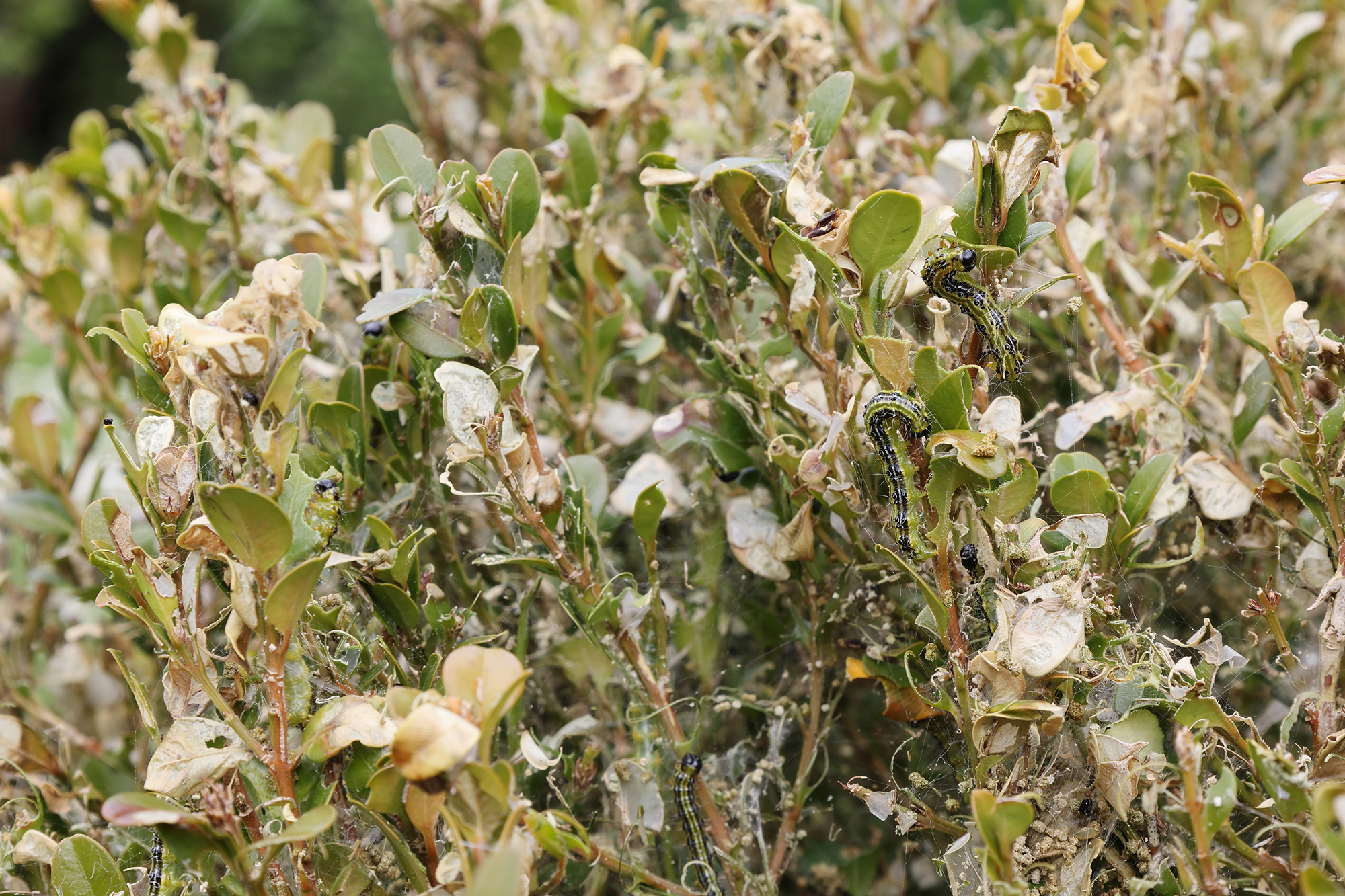
Box tree caterpillars can cause significant damage in a short period of time, so early identification is essential. Look out for these common signs:
- Green caterpillars with black and white stripes
- Fine webbing throughout the hedge
- Chewed leaves and bare stems
- Brown patches appearing suddenly
- Moths flying around box hedges during spring and summer
Early treatment gives the best chance of recovery.
Found Caterpillars? Follow This Treatment Plan
Protect Your Box Plants
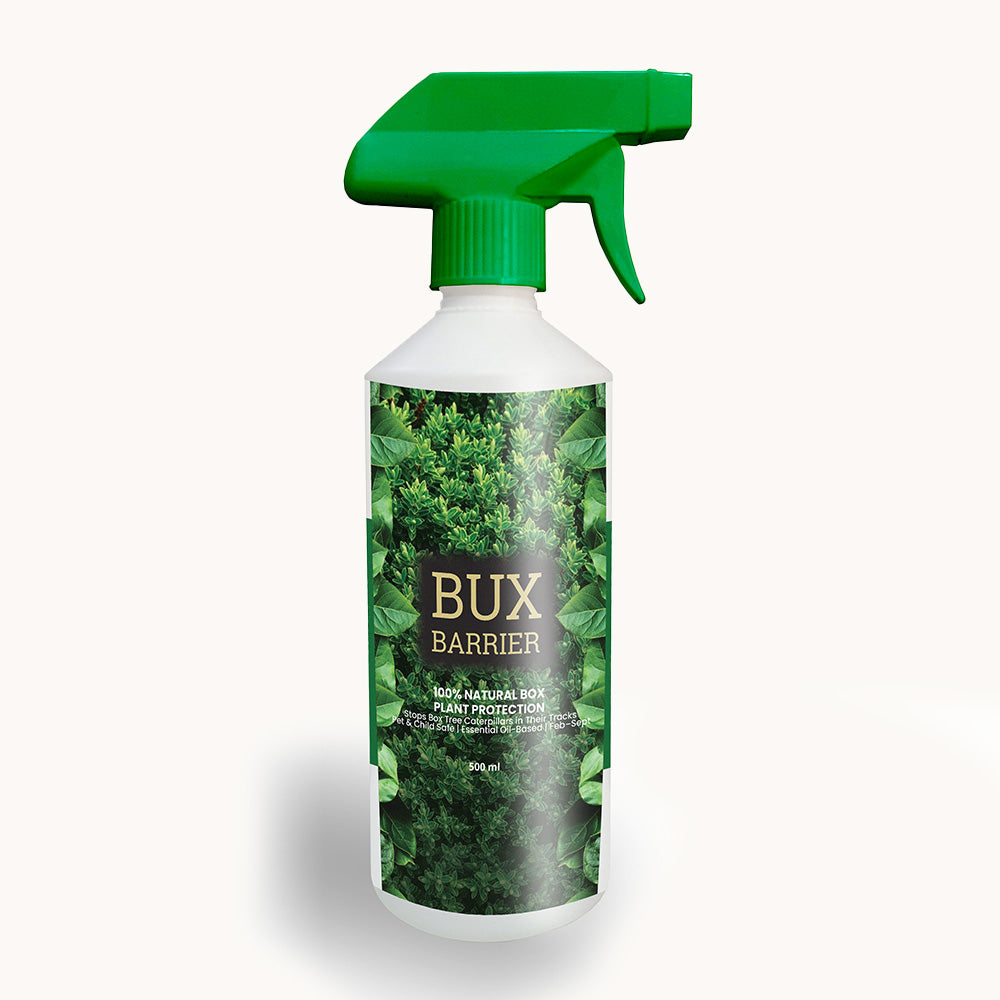
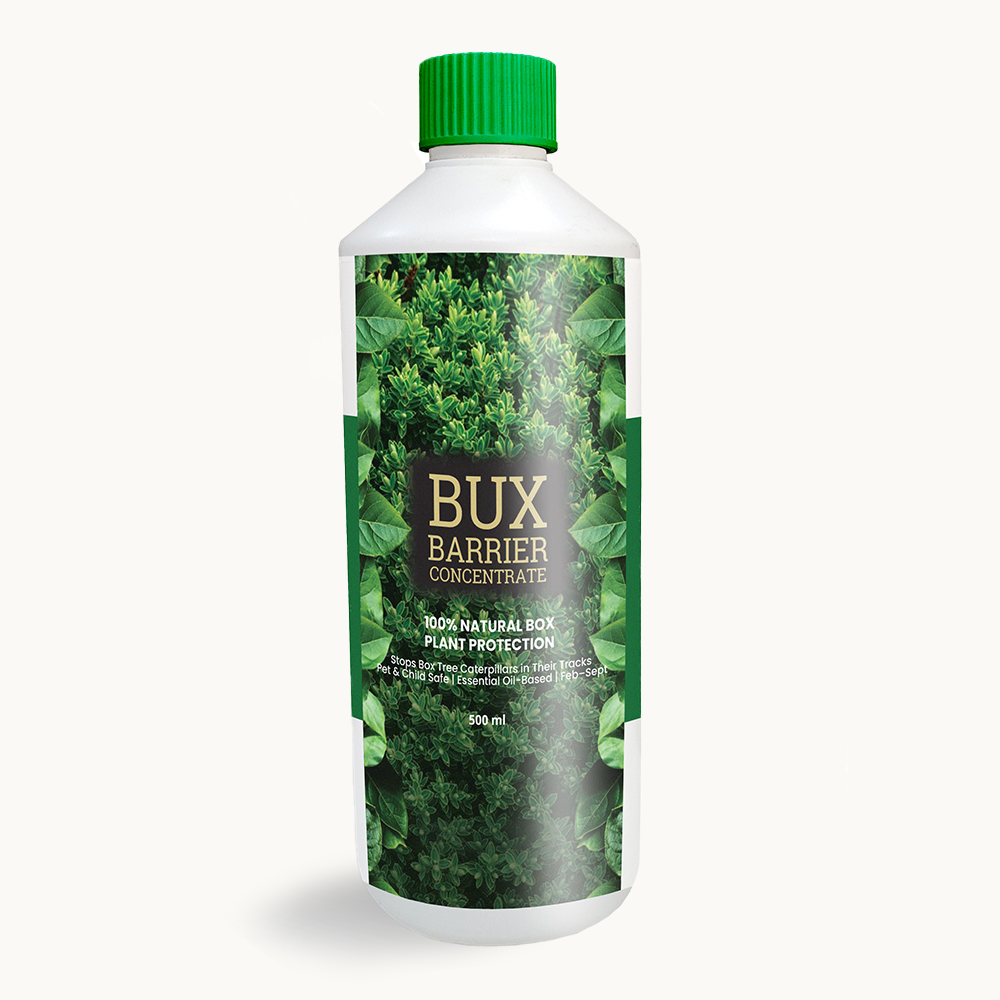
BuxBarrier creates a protective barrier on foliage that helps repel Box Tree Moths and discourage caterpillar feeding. Regular application throughout the season helps reduce the risk of damage and supports healthier box plants.

BuxBarrier - 100% Natural Box Tree Protection
Monitor Moth Activity
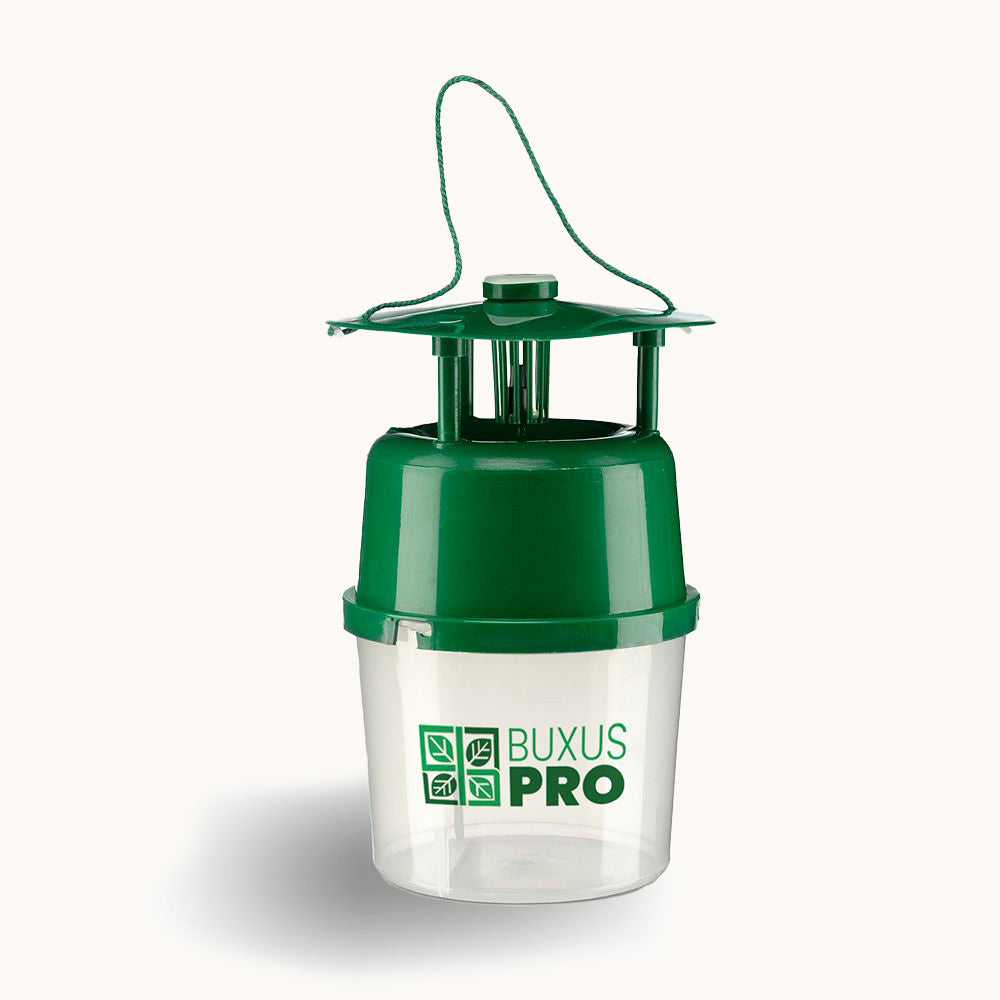
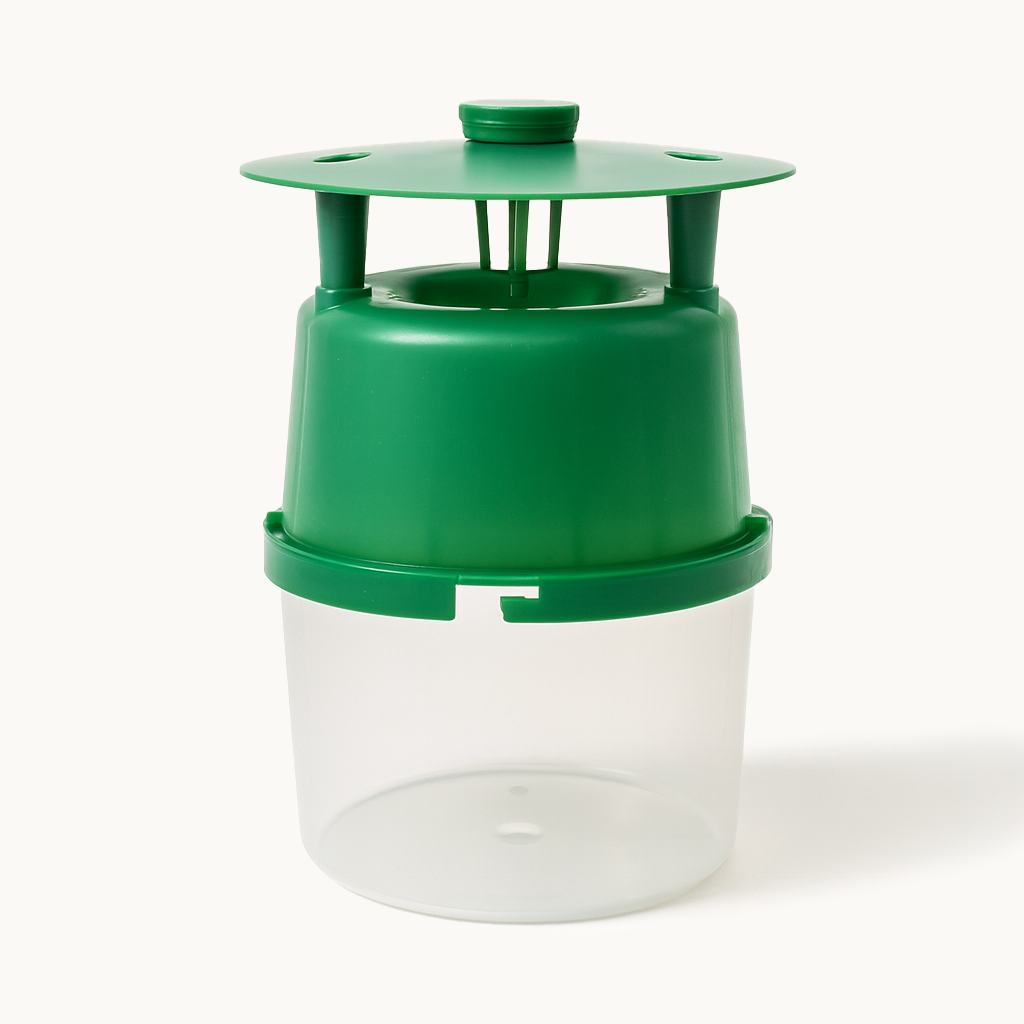
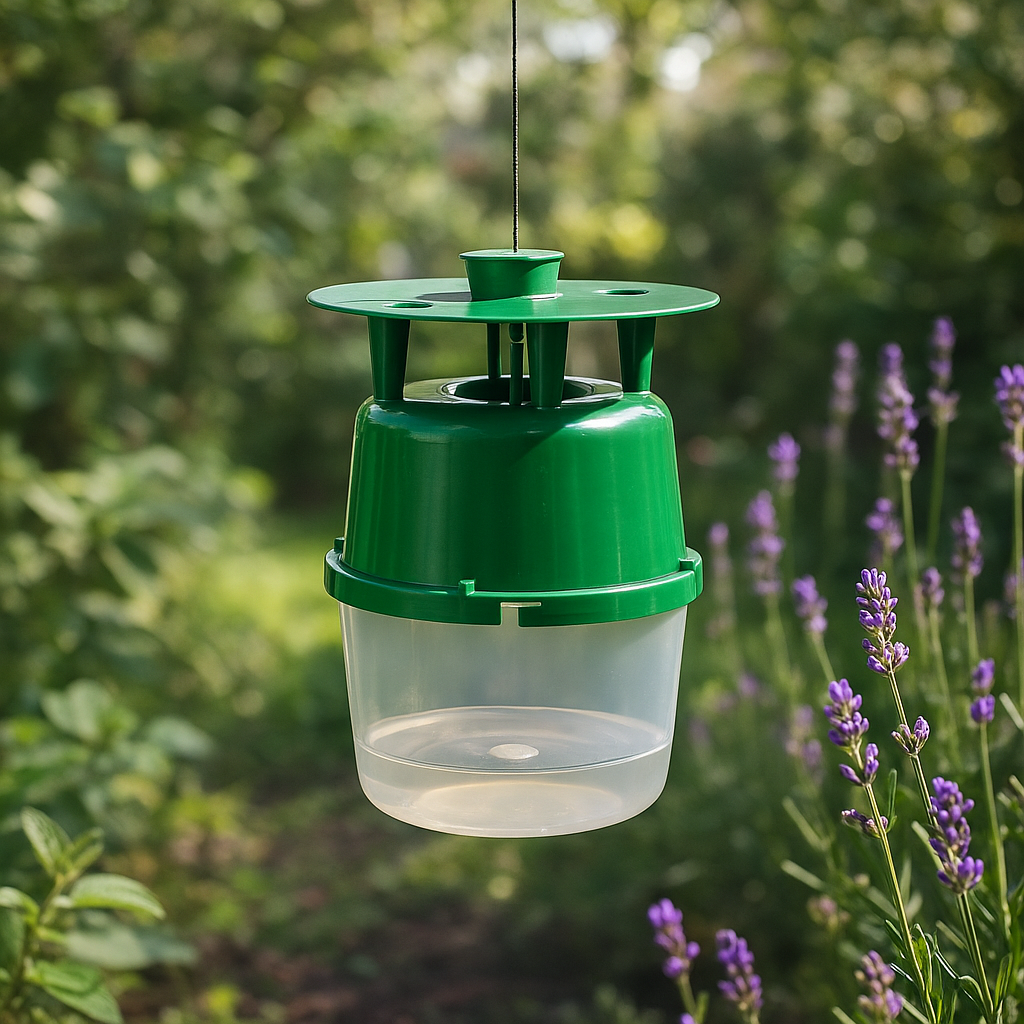
Adult Box Tree Moths lay the eggs that become damaging caterpillars. Using pheromone traps helps monitor activity and provides an early warning when moth numbers increase.

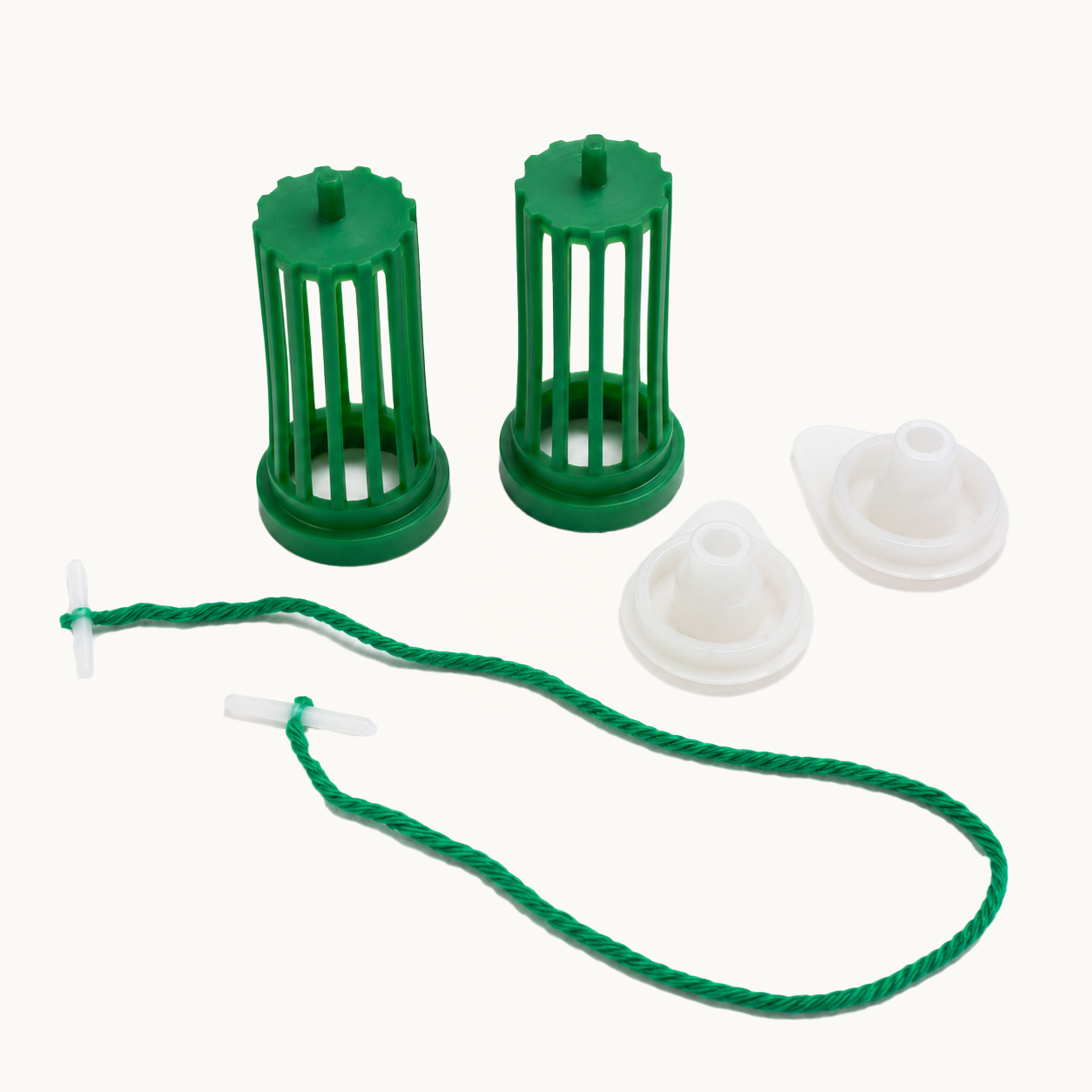
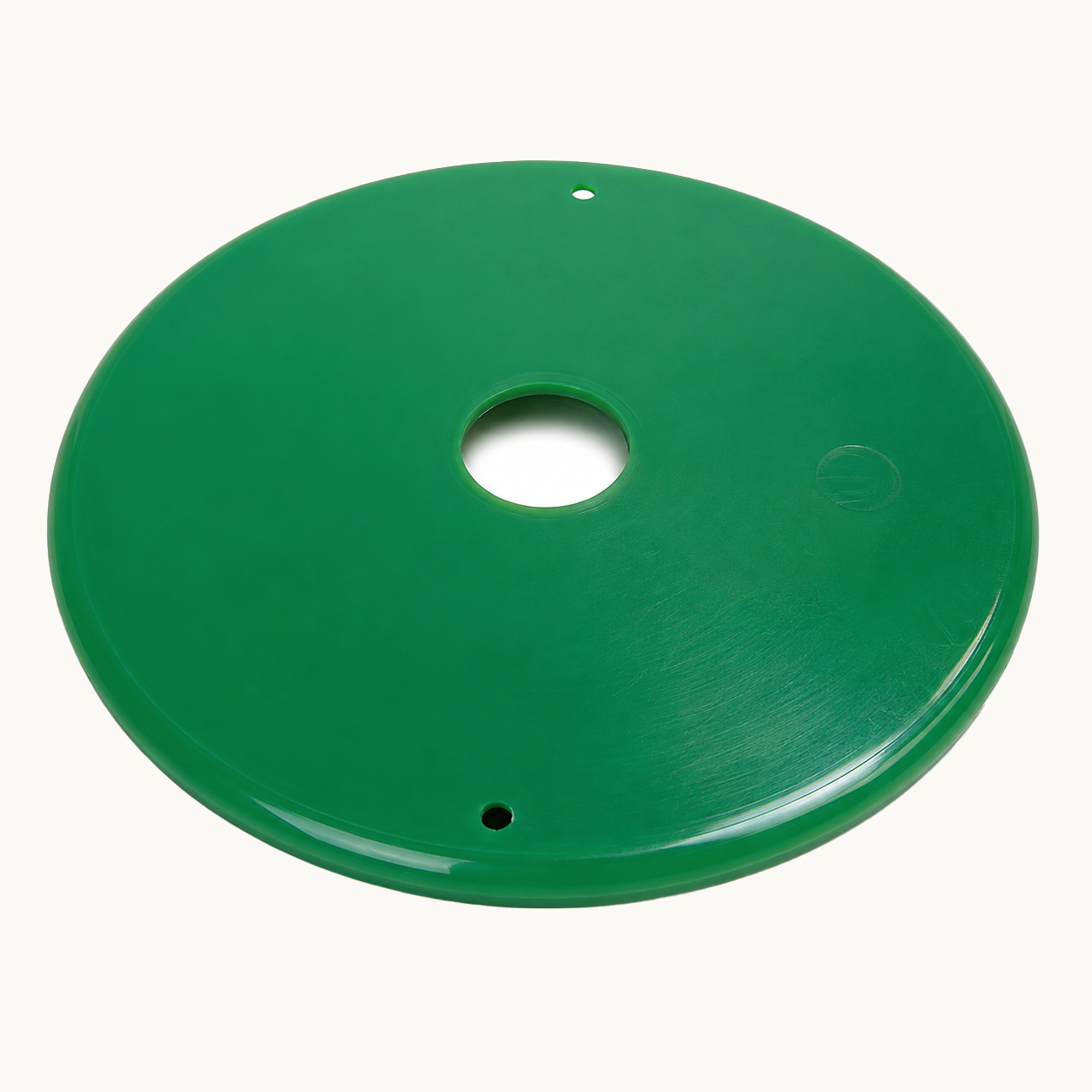
BuxTrap – Box Tree Moth Trap & Pheromone Lure Set

BuxPhero - Box Tree Moth Pheromone Lure Set
Prevent Future Damage
Once caterpillars have been controlled, preventative treatments can help reduce future attacks and support long-term hedge health.

BuxEvade - Natural Box Tree Moth & Caterpillar Deterrent
Essential Protection Kit
- ✔ BuxBarrier x2
Complete Protection Kit
- ✔ BuxBarrier x2
- ✔ BuxTrap x2
- ✔ BuxPhero x4
Annual Protection Kit
- ✔ BuxBarrier x4
- ✔ BuxTrap x2
- ✔ BuxPhero x8
- ✔ BuxEvade x8
SEVERE INFESTATION WARNING
Signs Your Box Hedge Needs Urgent Attention
If your hedge shows extensive browning, severe defoliation or widespread webbing, immediate treatment is recommended.
Even heavily damaged box plants can often recover when treated early enough.
Prefer Not To Treat It Yourself?
Book a free hedge assessment with our professional treatment team.
Box Tree Caterpillar Treatment & Prevention





Bee Considerations
Avoid spraying during pollinator activity and prevent drift onto flowering plants.

Pet Safety
Follow product instructions carefully and keep pets away during application.
Need help?
Box Tree Caterpillar FAQs
Adult moths typically emerge from late spring, with peak activity between May and August.
Severe infestations can defoliate a hedge within weeks during peak feeding season.
Some BT-based treatments are restricted to professional use. Always check current regulations.
No. They monitor adult moth activity to help time treatment correctly.
Application depends on product type and infestation level.
Dry conditions are recommended for best effectiveness.
Related Box Tree Guides

Best Treatment for Box Hedge Caterpillars (UK 2026)
Compare the best treatment options for box hedge caterpillars in the UK, including biological, professional and monitoring solutions to protect your Buxus plants.
Read more
Box Tree Caterpillar Life Cycle Explained (UK Guide)
Learn the full box tree caterpillar life cycle, from eggs to adult moths, and discover how understanding each stage helps you time treatment correctly and prevent hedge damage.
Read more
When Do Box Moths Appear in the UK? (2026 Guide)
Find out when box moths appear in the UK, how seasonal activity changes throughout the year, and why timing is critical for effective box tree caterpillar treatment.
Read more